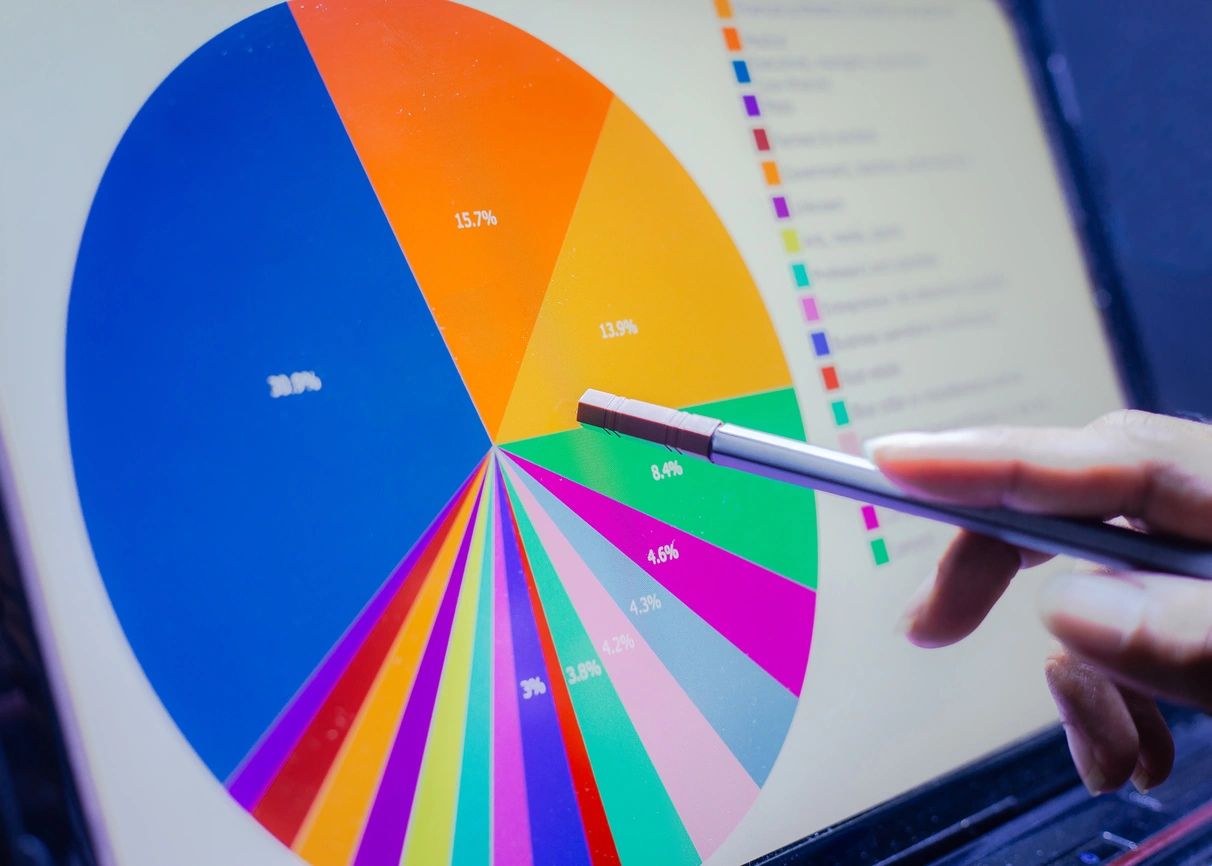
In today’s fast-paced business world, relying on intuition alone isn’t enough. Data analytics has become a powerful tool that helps companies of all sizes make smarter, evidence-based decisions. By analyzing the right data, businesses can uncover trends, optimize operations, and gain a competitive edge.
If you’re wondering how to harness data analytics effectively, here’s a straightforward guide to help you get started.
What Is Data Analytics?
Data analytics involves collecting, processing, and analyzing data to discover useful insights. It turns raw numbers into actionable information, enabling better decision-making.
Why Data Analytics Matters for Businesses
- Improves decision accuracy: Data-backed decisions reduce guesswork and risk.
- Identifies new opportunities: Spot trends, customer preferences, and market gaps.
- Enhances efficiency: Optimize processes, reduce costs, and improve resource allocation.
- Measures performance: Track KPIs and assess success of strategies.
How to Use Data Analytics in Your Business
1. Identify Your Business Goals
Start with clear objectives. What do you want to achieve? Examples include:
- Increasing sales
- Improving customer satisfaction
- Reducing operational costs
Knowing your goals guides which data to collect and analyze.
2. Collect Relevant Data
Data can come from multiple sources:
- Sales and transaction records
- Website and social media analytics
- Customer feedback and surveys
- Inventory and supply chain data
Use tools like Google Analytics, CRM systems, or ERP software to gather data efficiently.
3. Choose the Right Analytics Tools
There are many user-friendly tools available for businesses:
- Excel or Google Sheets: Good for beginners handling small datasets.
- Tableau & Power BI: Powerful visualization tools that help identify patterns.
- Google Analytics: Essential for website and digital marketing data.
- CRM analytics: Platforms like HubSpot or Salesforce provide sales and customer insights.
4. Analyze the Data
Look for patterns, correlations, and trends relevant to your goals. This could mean:
- Identifying your best-selling products
- Discovering peak buying times
- Analyzing customer demographics
Don’t hesitate to use visual charts and dashboards—they make insights easier to understand.
5. Make Informed Decisions
Use your findings to guide strategies such as:
- Targeting marketing campaigns to high-value customers
- Adjusting inventory based on demand forecasts
- Streamlining operations where inefficiencies are identified
6. Monitor and Adjust Continuously
Data analytics is not a one-time task. Continuously monitor key metrics and adjust your strategies based on new insights.
Tips for Successful Data-Driven Decision Making
- Ensure data quality by regularly cleaning and updating datasets.
- Train your team to understand and interpret data correctly.
- Combine data insights with industry knowledge and experience.
- Be mindful of privacy laws and ethical considerations when handling data.
Final Thoughts
Data analytics empowers your business to make smarter, faster, and more confident decisions. By setting clear goals, choosing the right tools, and regularly analyzing relevant data, you position your business to thrive in an increasingly competitive landscape.